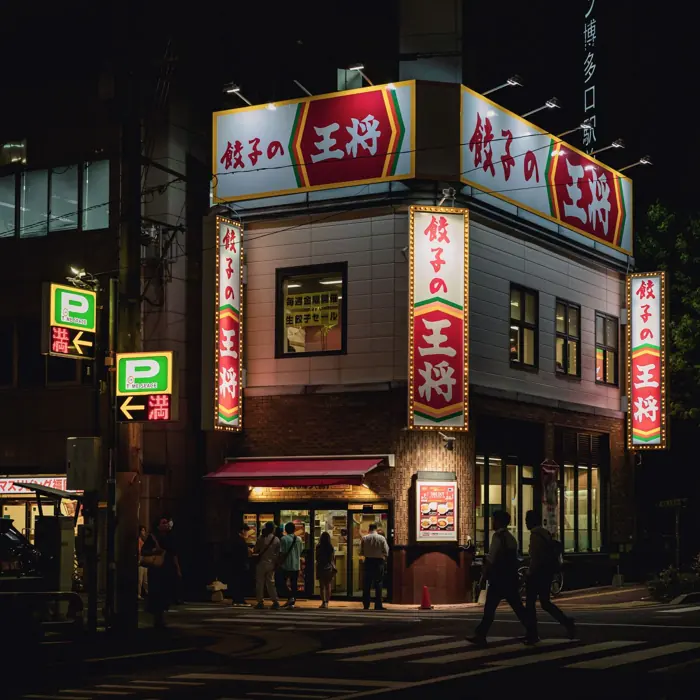
the signs kept popping up
Kobe beef, explained by a food technologist who doesn't eat much meat
The signs kept popping up.
Kobe Beef Gallery, this way. Kobe Beef Gallery, that way. I was walking from Shin-Kobe, where my hostel was (more on that night here), to the city center, and they followed me the whole way.
Here's the thing. I'm not much of a meat eater. I had heard of Kobe beef, but never eaten it, so it never made it onto my list. I only remembered it existed when I passed Kobe on my way from Fukuoka up to Tokyo. And now there were signs.
At some point, curiosity won. It turned out to be a little museum with an official restaurant attached. What better place to try it?
I don't remember exactly which lunch set I ordered. I do remember the plate. Slices of beef sizzling on a hot plate, a little salt and a dipping sauce for the beef, rice, and a bowl of soup. And I really enjoyed it.
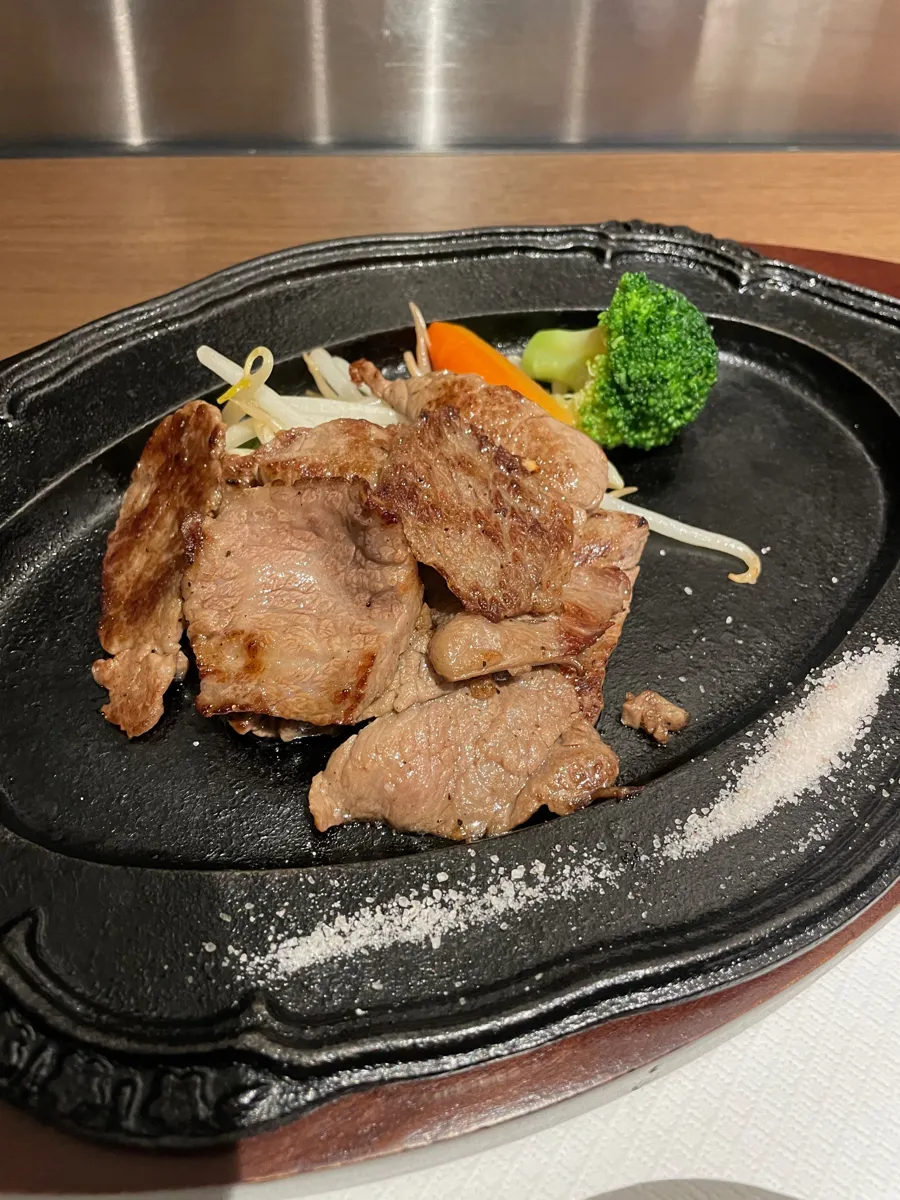
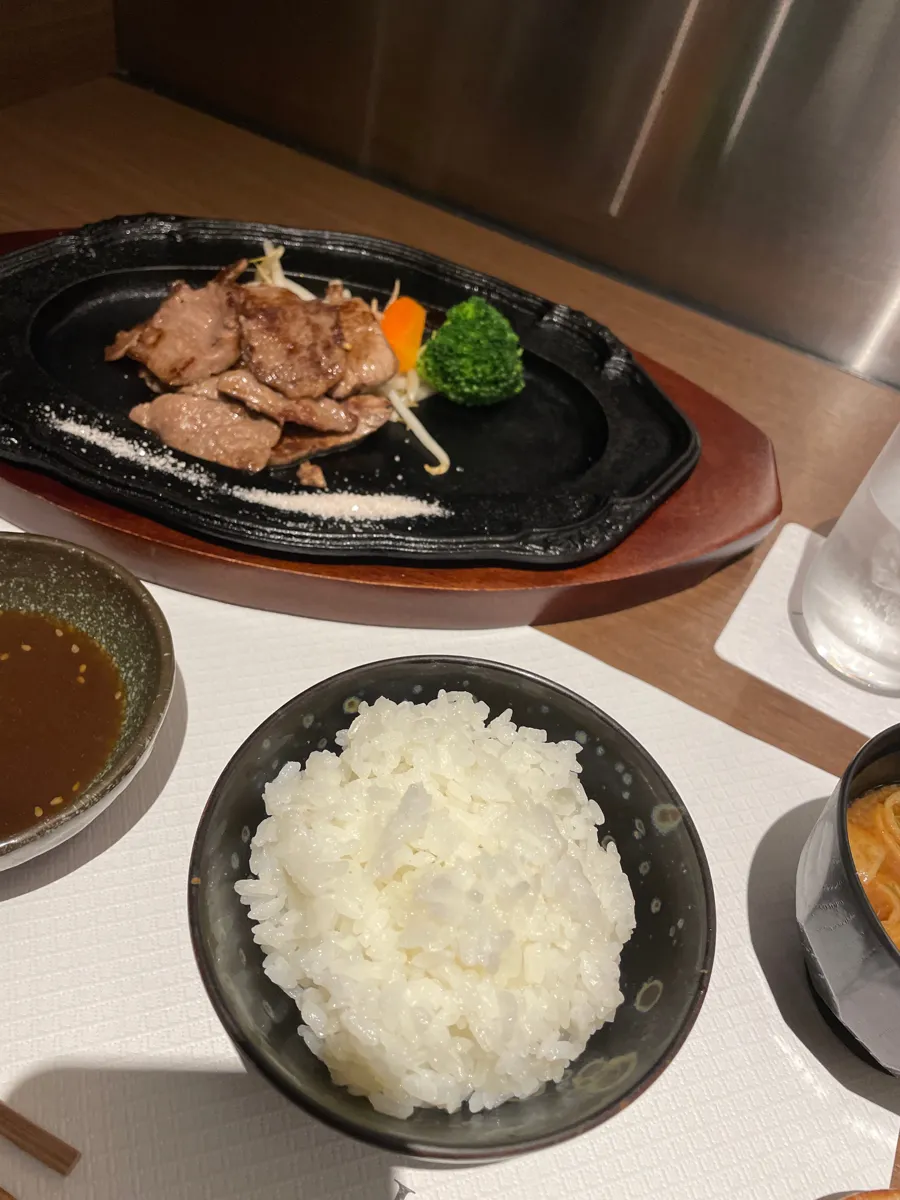
The beef
Not just any beef
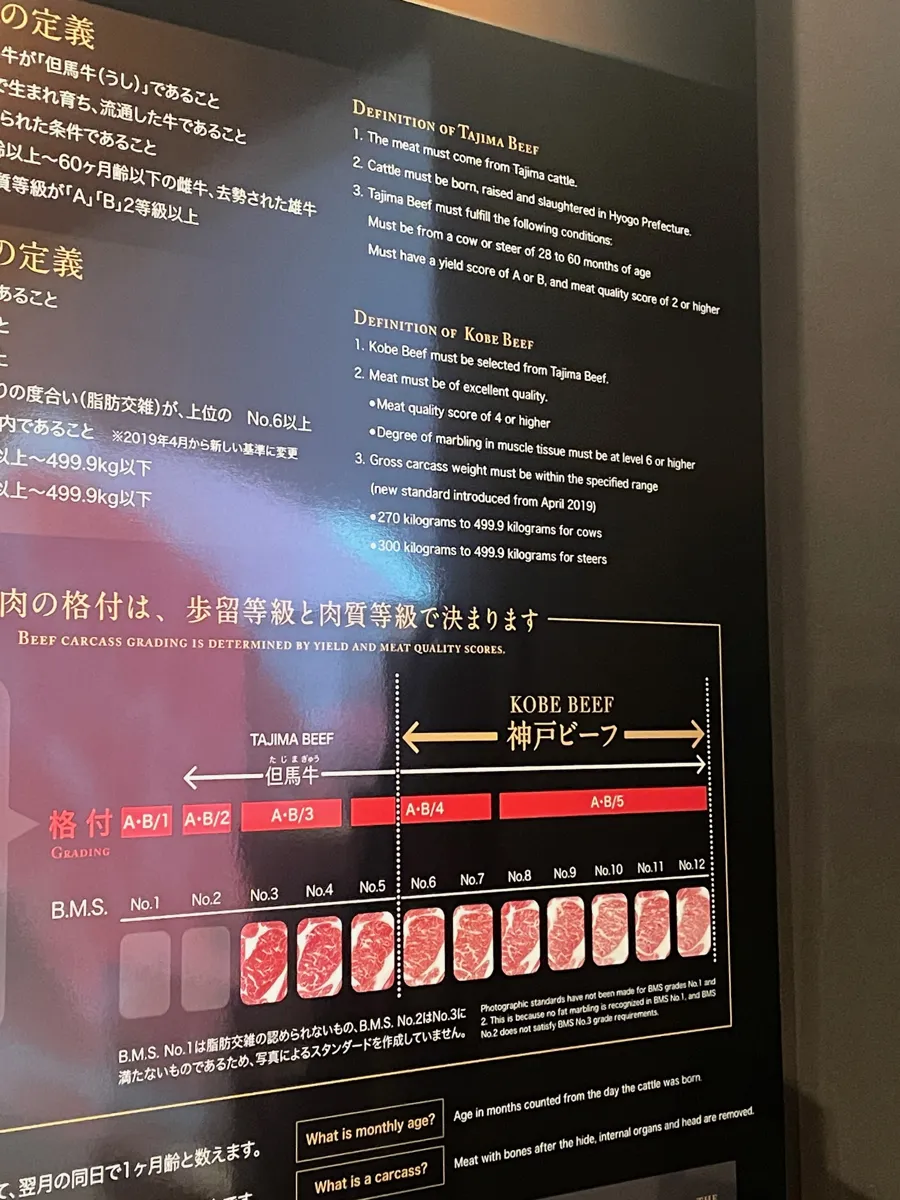
I didn't know how specific Kobe beef was. It comes only from Tajima cattle, born and raised entirely in Hyogo prefecture. Pure bloodlines, no crossbreeding, and every animal is traceable. Only the highest grade gets the official Kobe beef name, and every restaurant that serves it has to be registered.
Where did Kobe beef come from?
Its fame started with the port. Kobe opened to the world in 1868, and many foreigners entered Japan through it. They were used to eating meat, unlike the Japanese at the time. The English tried the local beef, loved it, and the word spread across the oceans.
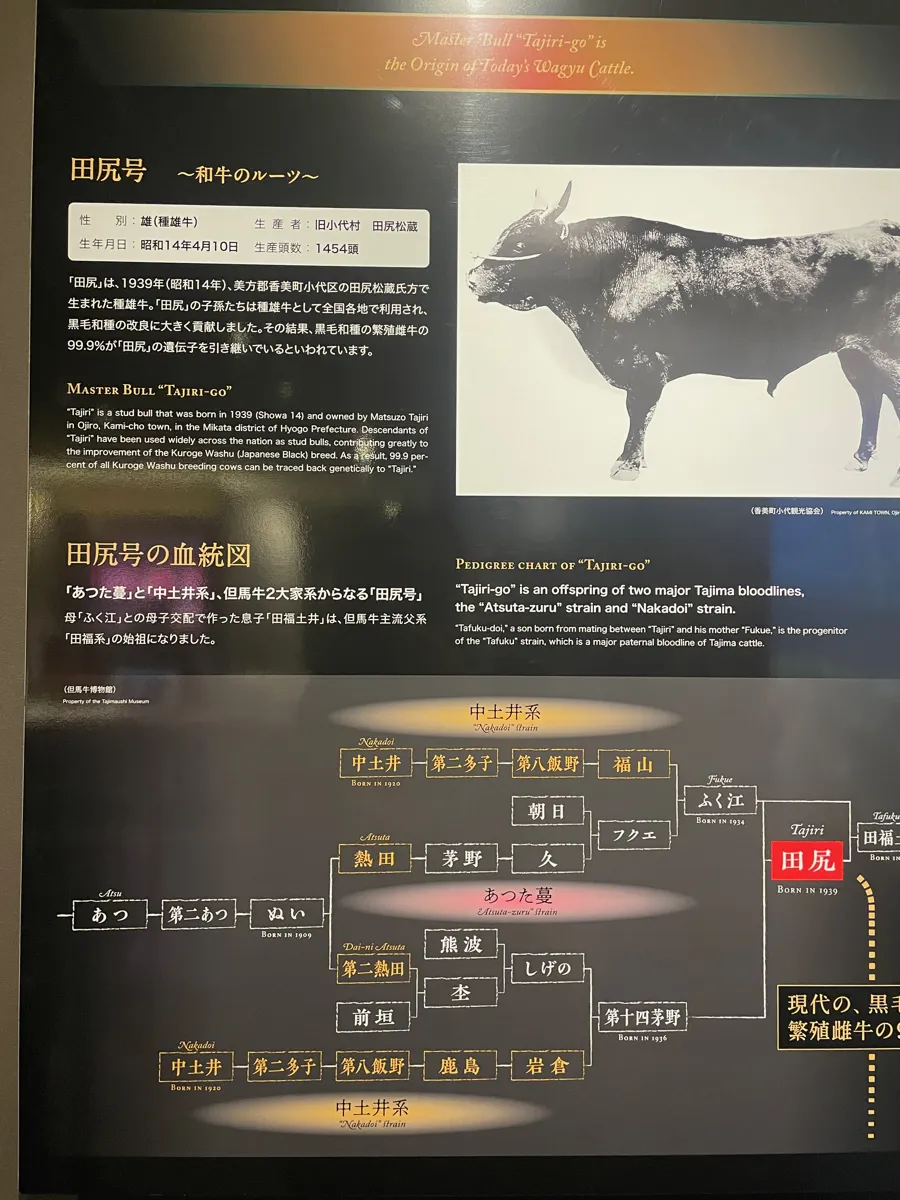
The food scientist part
Fat that melts
This is where my little lab geek brain gets excited. Researchers in Hyogo actually studied why Kobe beef tastes so good. Like all Wagyu, the key is in the fat. The fine marbling melts at a low temperature, and that gives the flavor. They even found the sweet spot: about 60% monounsaturated fatty acids in the fat inside the muscle, and 64% in the fat between the muscles. And now they breed toward those numbers.
So, long story short
Very delicious. Not bad for someone who doesn't eat much meat. If the signs catch you too, follow them.
Good to know
- Where: Kobe Beef Gallery, 3rd floor of Kotonohako Kobe, right by Shin-Kobe station. 1-1 Kitanocho, Chuo Ward, Kobe.
- The restaurant: a small counter where a chef cooks your steak on a hot plate right in front of you. You can also try a few different cuts side by side.
- When: limited opening times, and closed on Mondays and Tuesdays. Always check the official site for the latest.
- No reservations. Seats are few. If it's full, write your name on the waiting board and look around the gallery while you wait.
- My tip: go for lunch. It's cheaper than the dinner menu.
More from Kobe
All of Kobe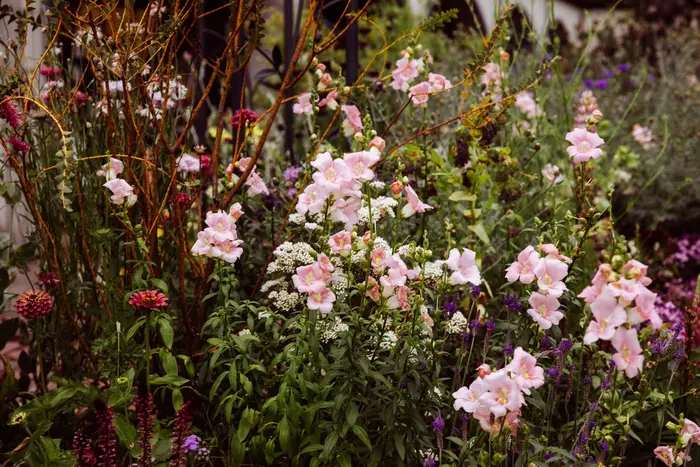
Kobe · Things to do
Nunobiki Herb Gardens
80 scents, and I went home with none
Kobe's mountain herb garden, for plant lovers and noses. A German castle, a foot bath with a view, and the souvenir I regret not buying.
Kobe · Where to stay
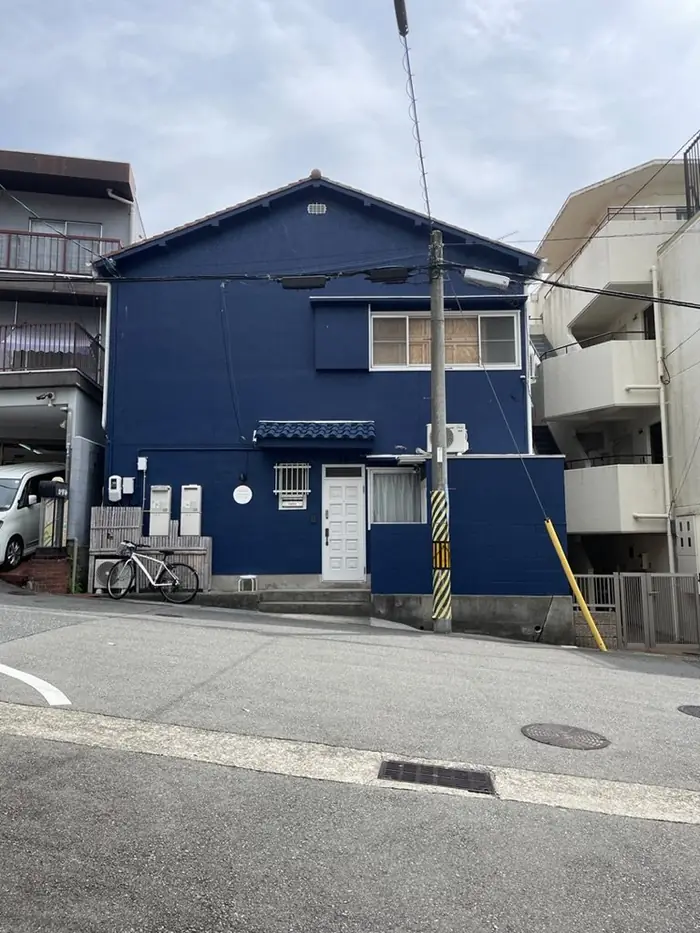
Guesthouse Kobe Yamatomusubi: my stay
A little blue house, a room built from wood, and make-your-own onigiri.
Kobe · Getting around
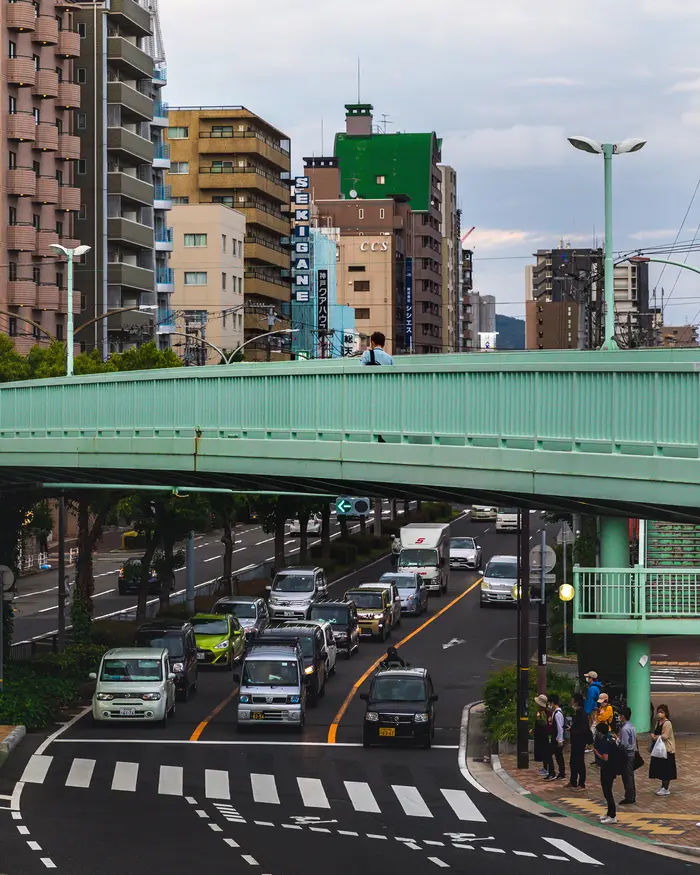
Getting to and around Kobe
You don't need the Shinkansen
Trains, overpasses, loop buses and a bike share.